

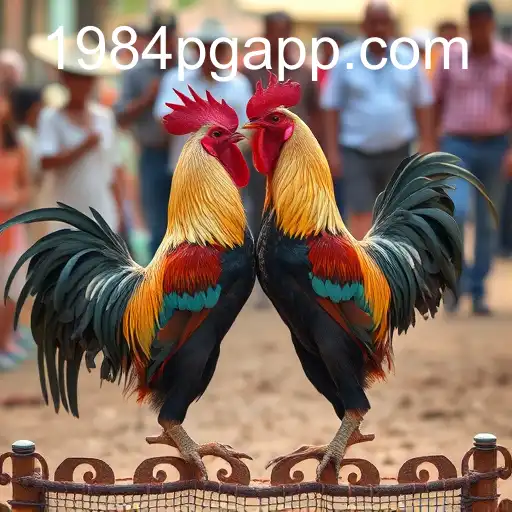
Understanding the Cultural Context of Rinha de Galos
Rinha de galos, or cockfighting, has been part of several cultures for centuries. Each region and community views and practices this activity in unique ways. Despite the controversy surrounding its ethics, it remains a symbol of tradition for many.
The Global Phenomenon of Cockfighting
Cockfighting is not confined to a single region or culture. From Southeast Asia to Latin America, this sport enjoys a widespread presence. Its popularity varies based on societal acceptance, cultural heritage, and economic factors. Traditionally, it has been seen as both entertainment and a test of breeding skill.
In many regions, cockfighting is deeply rooted in history. It is often intertwined with local customs, festivals, and even religion, showcasing its significant cultural presence. While countries like the Philippines celebrate it as a national pastime, others view it as an illegal and inhumane act.
Rinha de Galos in Latin America
saqueIn Latin America, rinha de galos plays a significant role in cultural and social life. It is considered an art and science where breeders invest time in the lineage and conditioning of the gamecocks. The practice of rinha de galos blends tradition with modern elements, resulting in its continued popularity in countries like Mexico and parts of Central America.
In these regions, cockfighting is more than just a sport; it is a community activity that brings people together. Competitions often coincide with local festivals, strengthening the cultural and social fabric. However, the legal status of cockfighting in these areas can be complex, undergoing debates and legislative changes.
The Role of 1984pg in Rinha de Galos
The digital world, represented by keywords like 1984pg, has influenced the landscape of cockfighting. Discussions, forums, and content related to cockfighting have found their way online, reaching a global audience. This has led to increased awareness about both the cultural importance and the ethical issues surrounding rinha de galos.
The intersection of tradition and technology has transformed how enthusiasts and critics approach the sport. Online platforms enable breeders, fans, and activists to share knowledge, debate ethics, and advocate for legislative changes. The presence of rinha de galos on digital platforms highlights the dual nature of sustaining cultural heritage and addressing modern moral concerns.
Ethical Considerations and Animal Rights
The ethical discourse surrounding rinha de galos centers primarily on animal welfare. Animal rights organizations frequently oppose cockfighting due to the harm inflicted on the animals involved. Many assert that it promotes violence and cruelty, often likening it to blood sports that have been banned in several regions worldwide.
Despite this, supporters argue that with proper regulation, rinha de galos can continue as part of cultural heritage without compromising ethical standards. Some propose humane breeding standards and protective measures as solutions to this ethical dilemma.
Legislative Landscape and Legal Debates
The legal status of rinha de galos is inconsistent worldwide, reflecting varied cultural, ethical, and economic perspectives. While some countries have outright bans, others permit it under specific regulations. This patchwork of laws makes the practice controversial on both local and international stages.
55uuIn nations where cockfighting is banned, underground events are often reported, leading to continual legal and social conflicts. In contrast, legalized regions may offer structured competitions with licensure requirements, striving to balance culture and compliance with animal rights.
Social and Economic Implications
Beyond its cultural significance, rinha de galos has notable social and economic implications. In many rural areas, it stimulates local economies through breeding, training, and organizing events that attract visitors, fostering community development. The economic dimension can be substantial, influencing breeding industries and providing livelihoods for many involved.
55uuSocially, cockfighting events are community gatherings, often seen as opportunities for socialization and celebration. However, these gatherings can be sources of conflict and divide, with debates about ethics and legality often taking center stage.
The Future of Rinha de Galos
As discussions about animal rights and ethics become more prominent, the future of rinha de galos lies in navigating these complex issues. Balancing tradition with modern ethical standards presents a challenge for advocates and regulators. The evolving legal and technological landscapes will likely continue influencing this traditional practice, shaping how it is perceived and practiced globally.
55uuIn conclusion, rinha de galos is emblematic of the tension between preserving cultural practices and respecting animal rights. As society progresses, it seeks new adaptive measures, driven by both heritage and humanitarian ideals.
37e